最強の  —  Saijō no

TheStrongest

Director Aleksandra Lazarovski
Format Short Animated Film
Duration ~10 minutes
Projected Release 2027
Scroll
Intentions &
Artistic Vision

"There is no one stronger in the world than the person who knows how to work."

— Japanese Proverb

Inspired by Tales of Moonlight and Rain (1776) by Ueda Akinari, and Kenji Mizoguchi's Ugetsu (1953).

The Strongest is a fable about humanism — about what makes us human. The film highlights certain human virtues by opposing them to destructive tendencies such as arrogance, jealousy, the desire for omnipotence, and the thirst for power, all of which corrupt human beings and lead them toward moral decay.

As in every fable or allegory, positive values ultimately prevail: altruism, justice, and solidarity — values accessible to everyone, and that should continue to guide us.

Precisely because our times are particularly turbulent — from Serbia to the United States, through the Middle East and Russia — the idea for this scenario emerged. It forms the foundation of the animated film I envision: poetic and engaged, symbolic and political, intended for both children and adults.

Powerful individuals who control parts of the world, great power brokers, shameless and inhumane figures, daily challenge the international order and the rules established after the Second World War. Are we witnessing a return to brute force? Is the law of the strongest truly the best law? My film seeks to answer these questions modestly — the strongest will always be the one who remains the most noble and the most just.

The story is not merely fiction. These images continue to repeat themselves across the globe today. And so this story is not just a fable. It is a warning. And it is a call.

Story
Synopsis

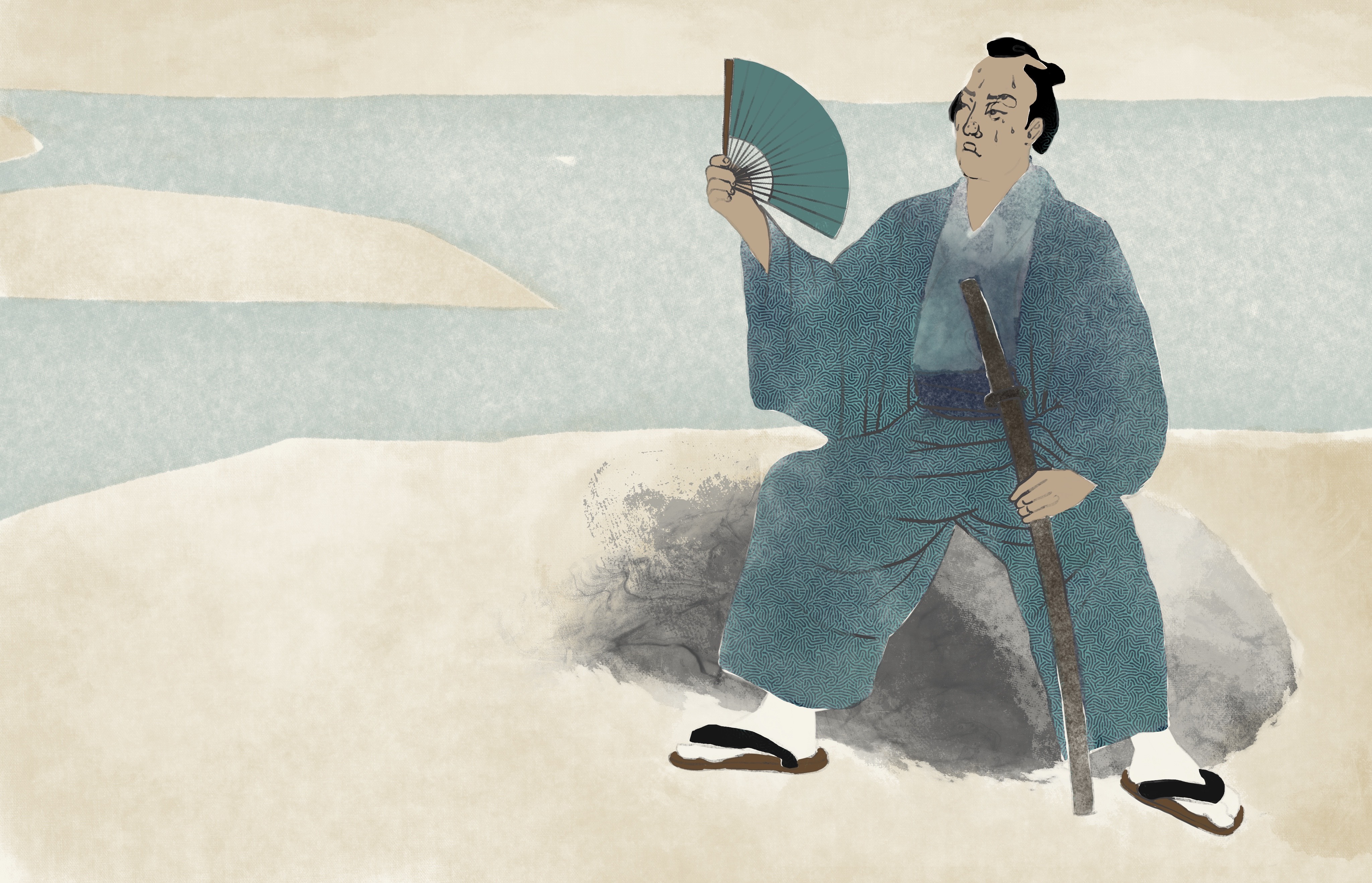
The day was scorching. People struggled in vain to find shelter from the sun and cool themselves — the heat rose from the ground like boiling oil. The Stonecutter, an elderly man with a wrinkled face and gray hair, stacked the stone blocks that supported a canopy's posts in front of the village school.

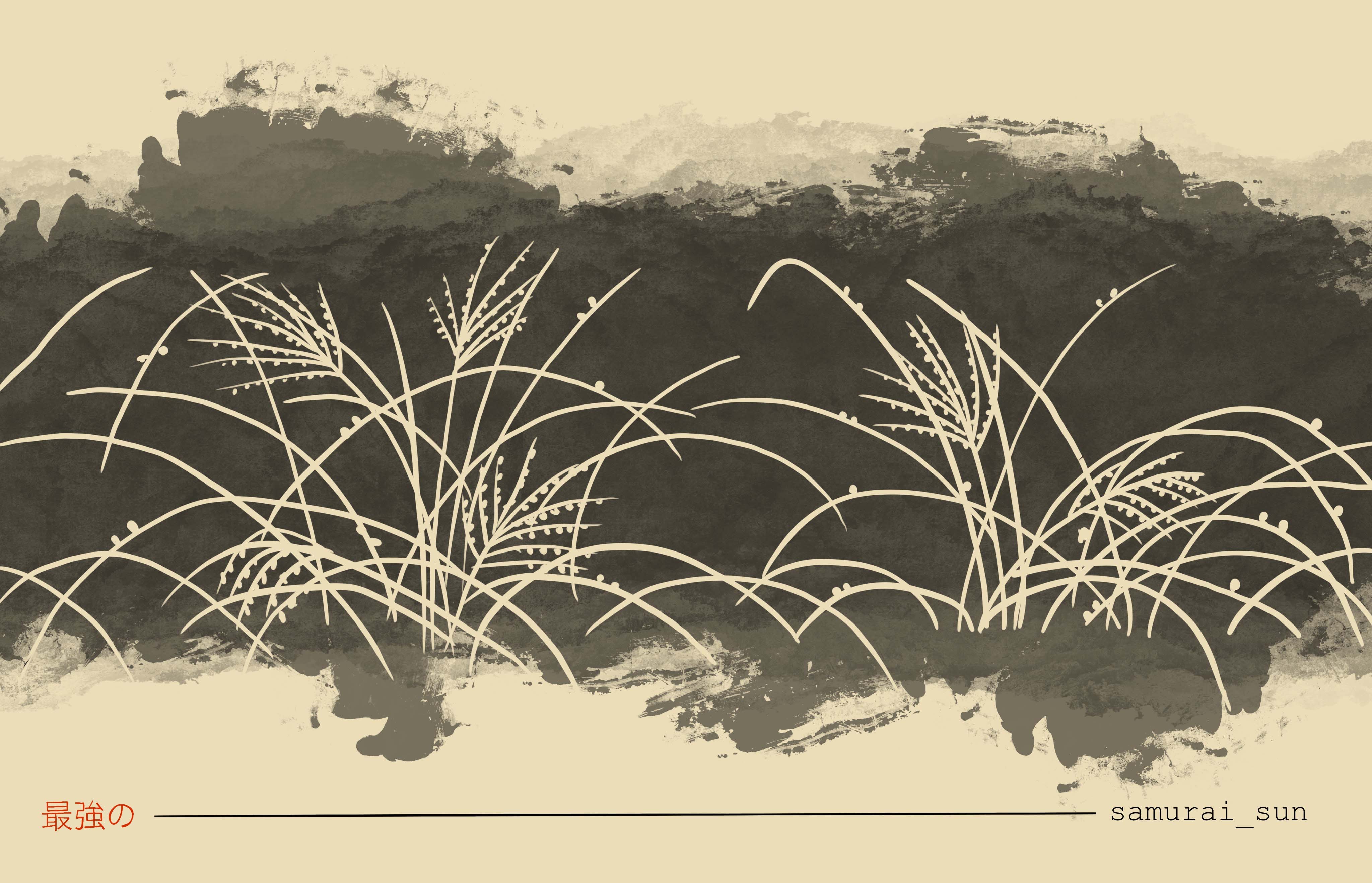
The Samurai strode proudly through the village, dressed in a luxurious kimono, fighting in vain against the unbearable heat. Without watching where he stepped, the Samurai crushed a Red Hermit Crab, who pinched his toe. Enraged, the Samurai kicked it violently. In fury, he threw aside his fan and gazed enviously at the sun. Gradually, the entire sun seemed to pour into the Samurai's gaze — and with dizzying speed, he transformed into the Sun-Samurai. He rose into the sky.

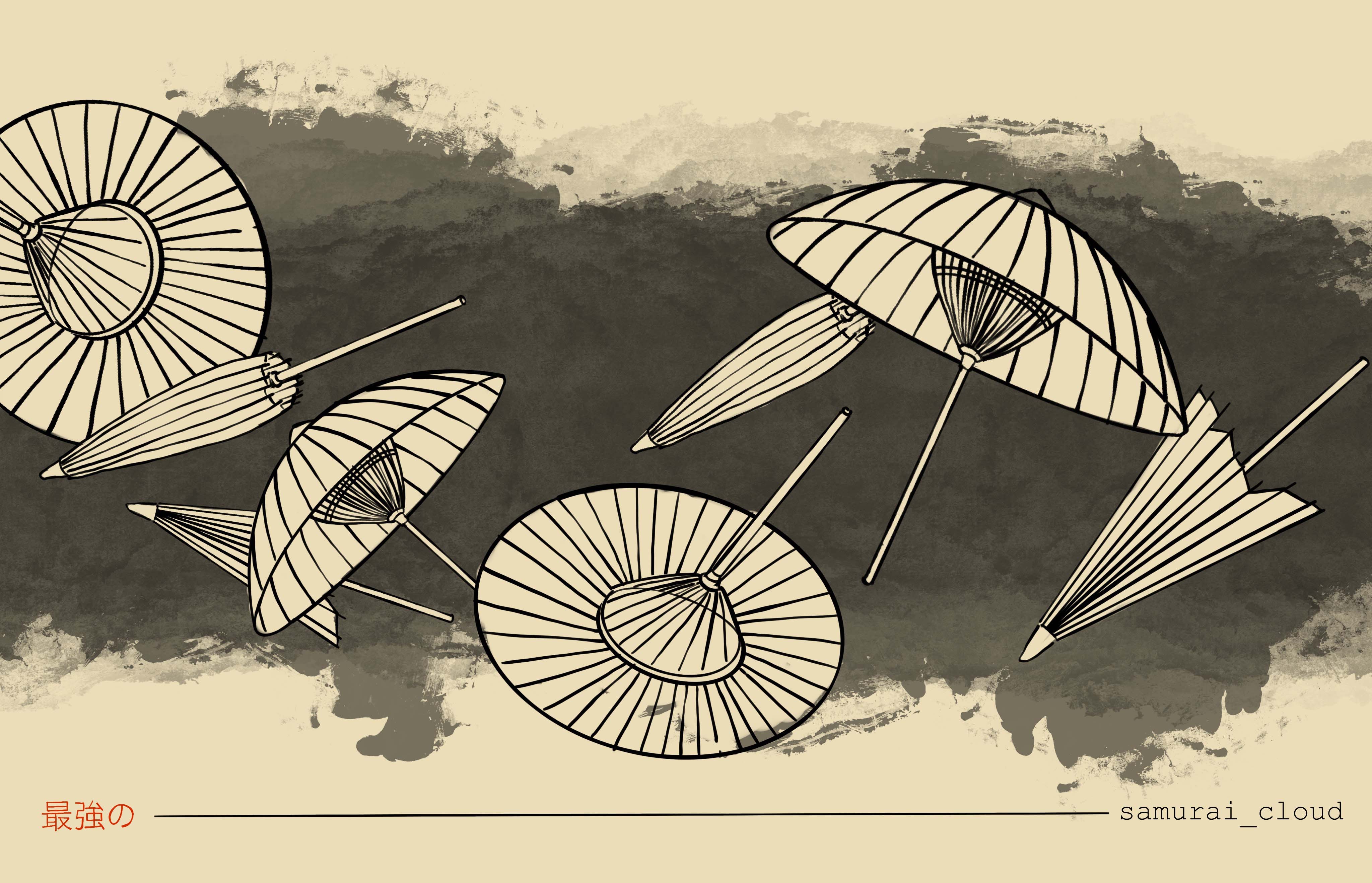
Grasses began to wither. Flowers drooped their colorful heads. Villages burned. The sparks of the Sun-Samurai's laughter ignited the entire surrounding forest. Then a massive black cloud swallowed the Sun-Samurai whole — and the cloud took on his shape. From the Samurai-Cloud, heavy raindrops poured down. Rivers overflowed their banks. Massive, violent waves carried everything in their path.

Yet an invisible force pushed the cloud again and again — it was the wind. The Samurai-Wind scattered the cloud to the ocean, tearing it into a thousand pieces. Children holding kites were lifted into the air. The old Stonecutter ran from child to child, placing stones in their pockets so they would not be carried away. Rooftops flew. The Samurai-Wind charged at a massive granite cliff — but the stone remained immovable.

The Samurai-Wind wrapped himself around the stone from all sides, each atom of his being penetrating its cracks. The rock began to vibrate and glow, and within it, the silhouette of the Samurai appeared: the Samurai-Stone. He smiled, and the earth cracked. He smiled again, and the land heaved in masses, crushing all the creatures below.

Yet at that moment, the Samurai-Stone felt a tremendous impact — and froze. Another powerful blow struck him. Large drops of sweat covered him. He looked down and saw an ordinary man. It was the Stonecutter. He held a hammer, and massive chunks of rock separated under his strikes. With every strike, the Samurai-Stone grew smaller and smaller — until at last the massive rock had been reduced to a small coastal stone, carried into the sea.

While the Sun-Samurai, the Cloud-Samurai, the Wind-Samurai, and the Stone-Samurai sought greatness through strength and power, the Stonecutter was stronger than all of them — for he knew how to work.
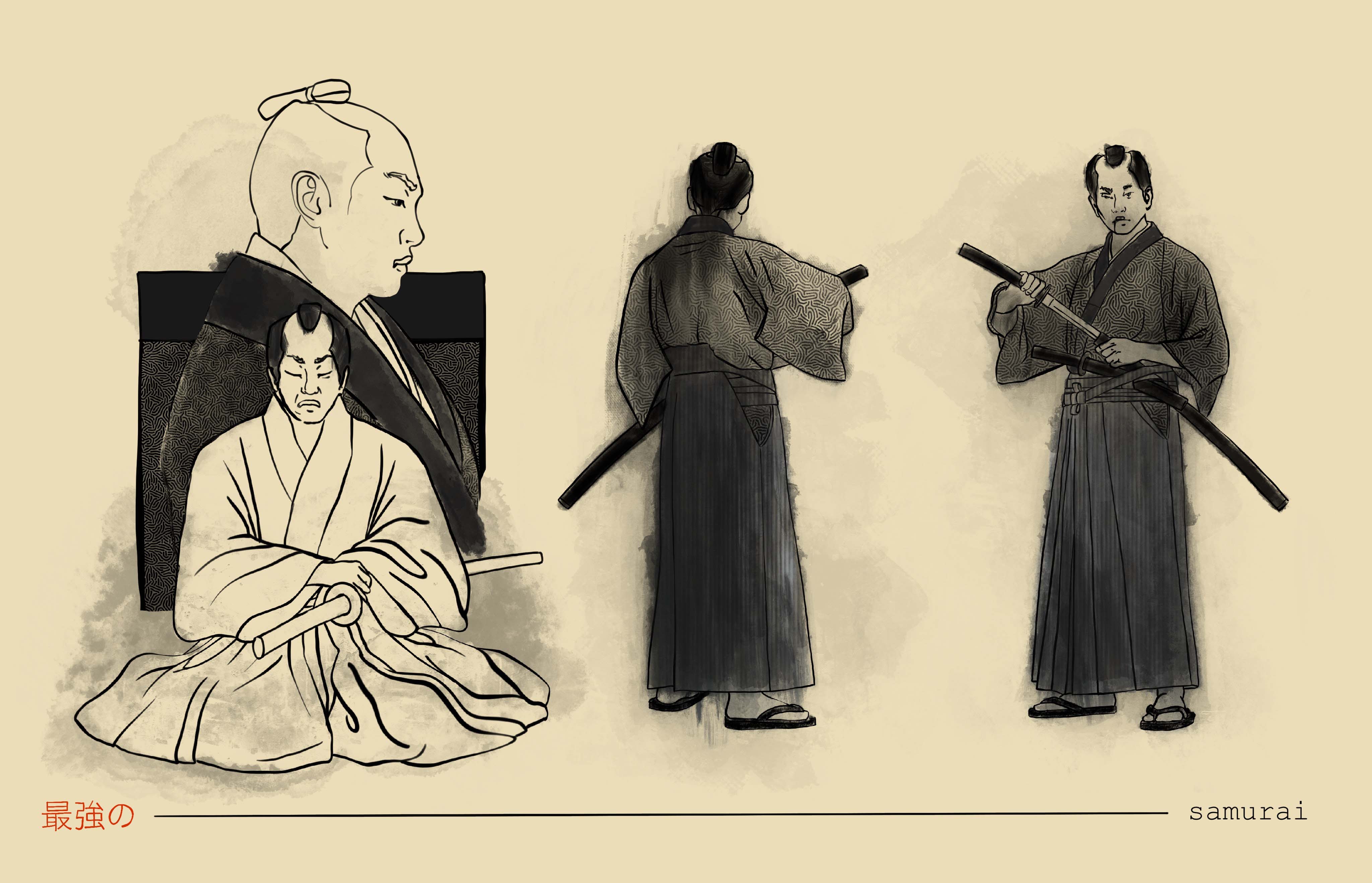
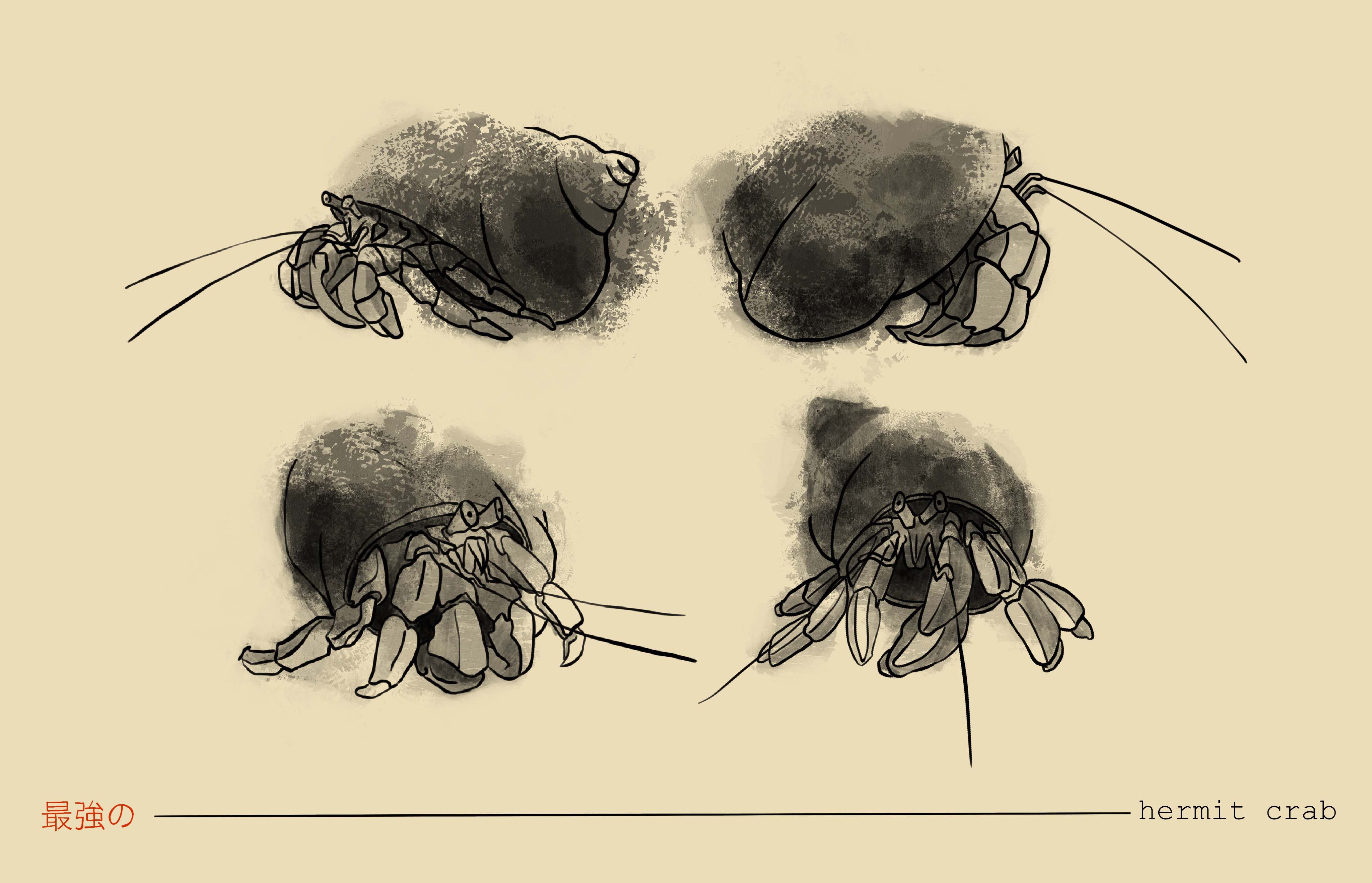
Dramatis Personae
Characters
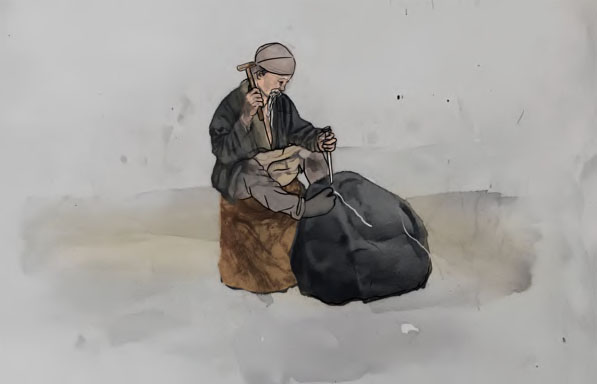
The Stonecutter
The Stonecutter
Protagonist — The True Hero

The Stonecutter embodies honesty, humility, and quiet strength. He is an older, wise man, deeply rooted in his community and in the nature that surrounds him. He seeks neither recognition nor titles, nor the approval of others. His world is simple, yet filled with profound meaning: work, integrity, and selfless care for others.


His strength comes from within — from a clear conscience, a noble heart, and a sincere love for life. He carries no weapon, yet in his hands lies the power of creation rather than destruction. He is an ordinary man, but it is precisely in this simplicity that his greatness lies.

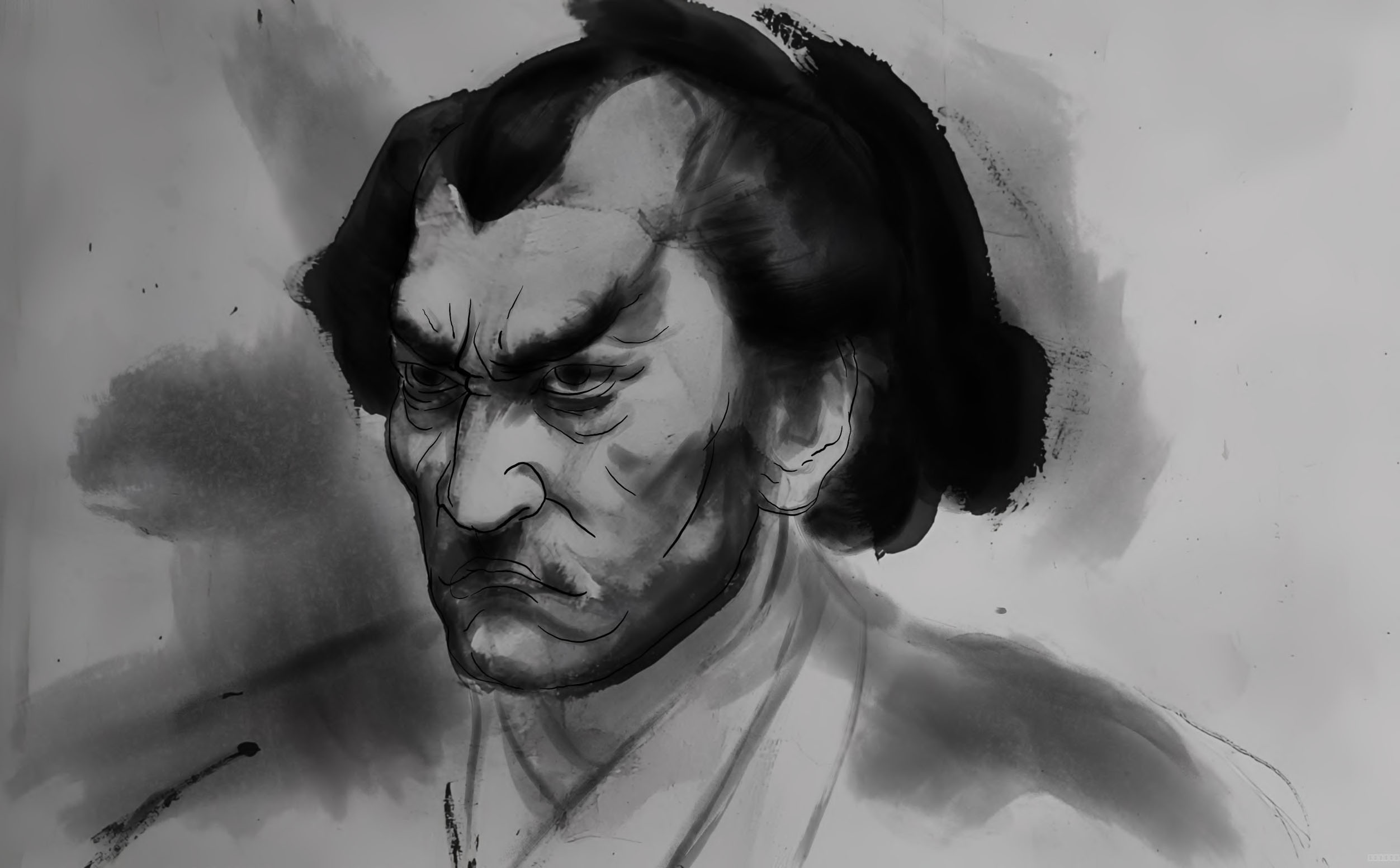
The Samurai
The Samurai
Antagonist — The Wandering Rōnin

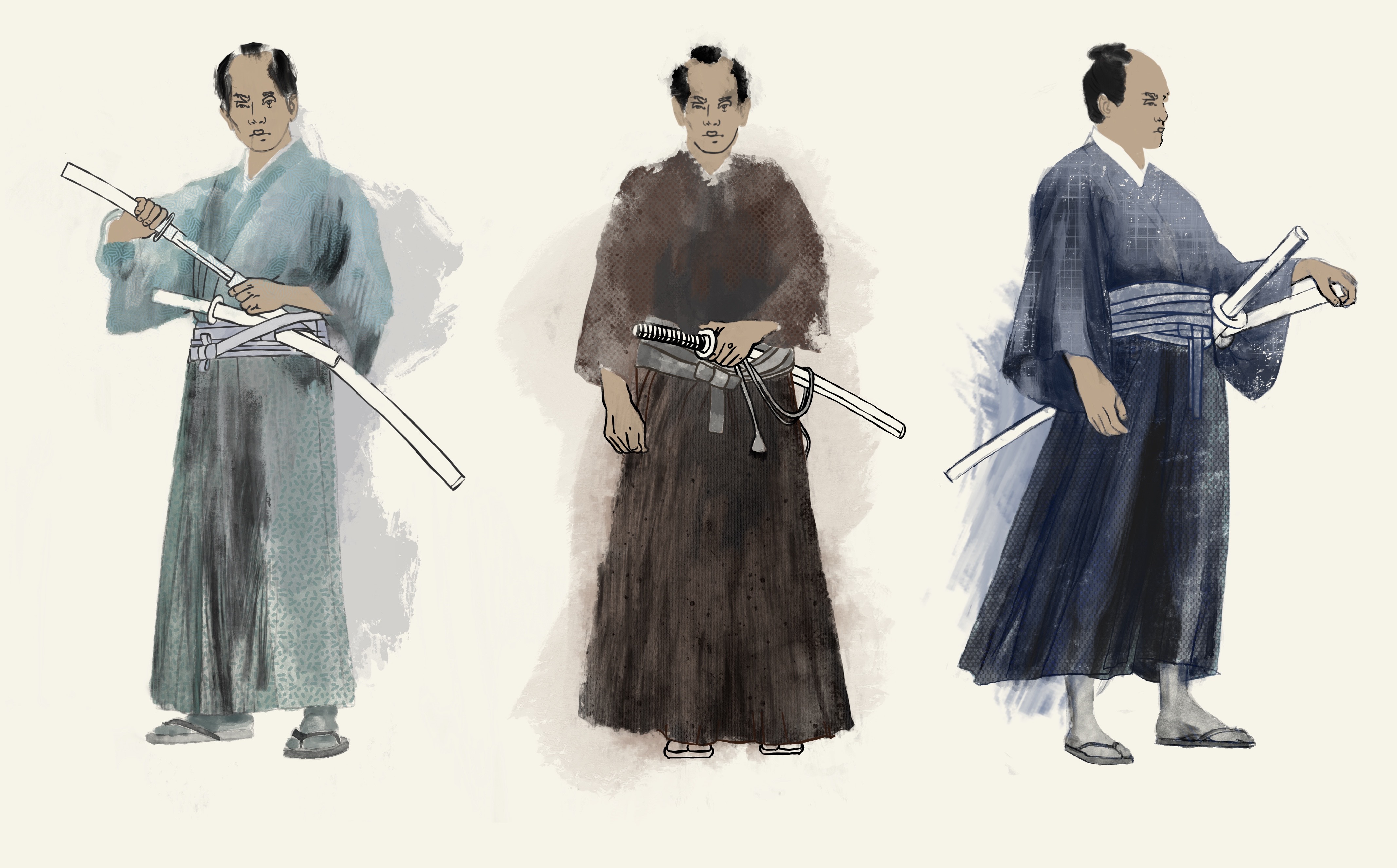
A former warrior, a member of the aristocratic military class that existed in Japan until 1868. Renowned for pride, honor, and unwavering loyalty. Born into a world of exaltation, he is driven by a thirst for greatness — a desire for power that transcends the human.


Led astray by forces he does not fully understand, he begins to see himself as divine. Blinded, he forgets the world around him. He no longer cares for the future of humanity, respects neither nature nor his own people. Driven by rage and an inner emptiness, he destroys not out of necessity, but out of despair.

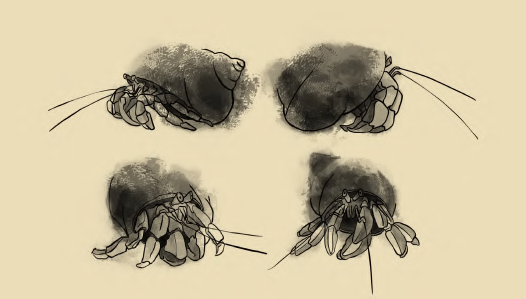
The Red Hermit Crab
The Red Hermit Crab
Comic Relief — The Samurai's Conscience

A playful, witty, yet remarkably responsible figure. Behind his large, swirling eyes lies profound wisdom and an unwavering sense of justice. Though he may seem lighthearted and comical at first glance, he plays a crucial role as the Samurai's conscience.


When the Samurai begins to stray from the path of honor — becoming greedy, unjust, or inhumane — the Red Hermit Crab "pinches" him, both literally and metaphorically, to remind him of who he truly is. In a world where everything can change in an instant, he remains an anchor of reason and warmth.

Forces of Nature
The Elements

Eternal elements, ancient forces that surpass human power. Mighty, enduring, incorruptible. Nature is a good servant, but a poor master.

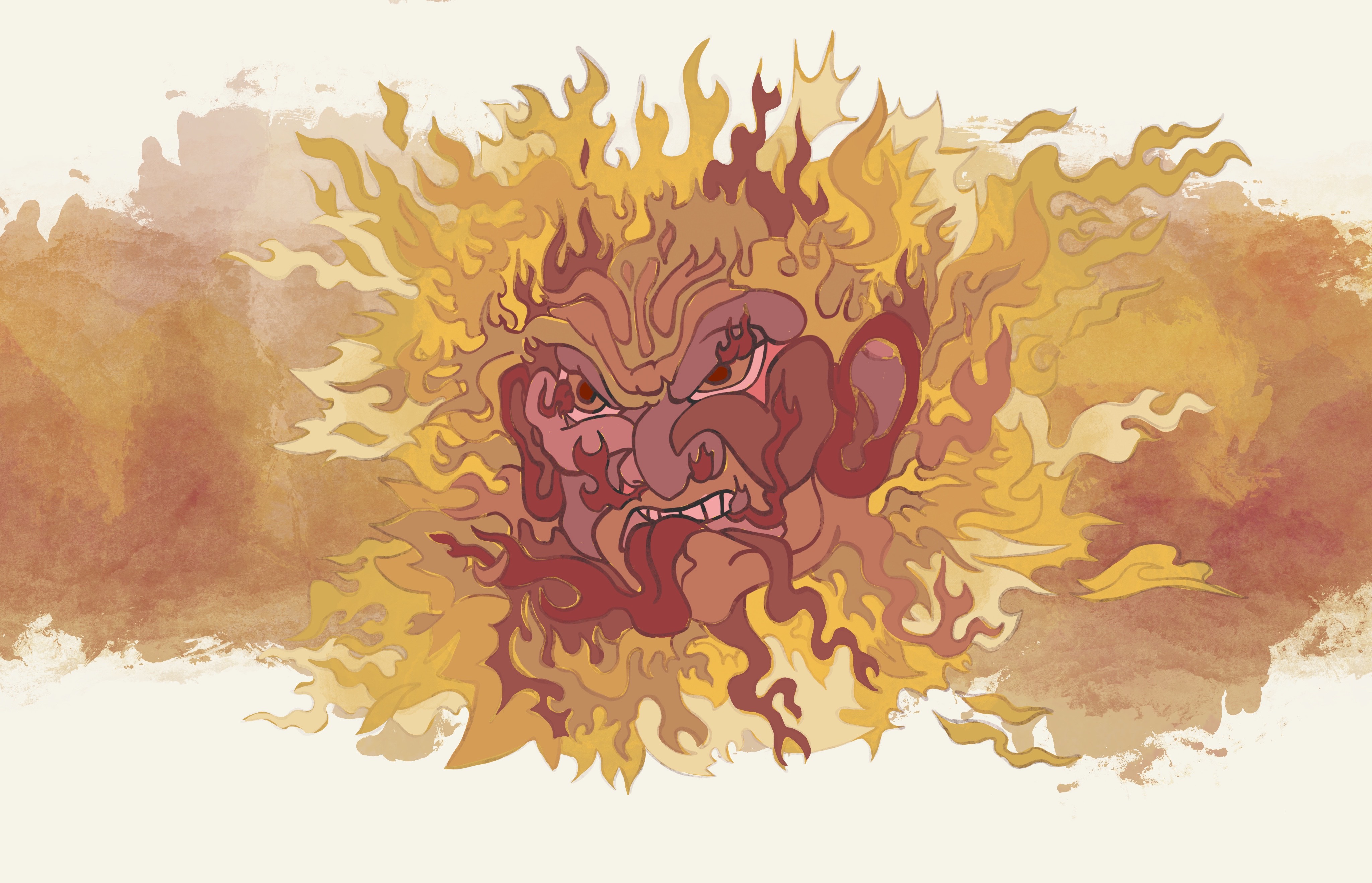
The Sun

Scorching, indiscriminate, blinding. The Samurai becomes the Sun — burning brighter than ever, turning the land to ash, witnessing the suffering of those below with exultation.

The Cloud

The Sun's nemesis. The Samurai-Cloud releases torrential floods onto the villagers. Rivers overflow, waves carry everything away. Triumphant, yet unstable — at the mercy of the wind.

The Wind

The Samurai-Wind tears through wheat fields, lifts rooftops, scatters birds. He appears in the hair of passing women, in torn kites, in the debris of things. Yet he cannot move stone.

The Stone

Immovable. The rock does not yield. But inside it, the Samurai finds his final form — and his undoing. For a humble stonecutter with a hammer is stronger than any stone.

Aesthetic Approach
Technical &
Visual Identity
Boiling Lines

The animation is conceived using the "boiling lines" technique, in which the line subtly changes shape from frame to frame, creating a shimmering, pulsating effect. This contributes to an organic and dynamic feeling, even in static scenes.

Visual Palette

Pastel and earthy tones reminiscent of traditional Japanese painting. Off-white washi paper ground, muted dark greens and greys, with red as the sole expressive accent. Color reflects character emotions rather than decorating surfaces.

Structural Evolution

At the beginning, shots are composed laterally — elements aligned parallel to the viewer, clearly guiding them through the story. As the narrative becomes increasingly abstract, perspectives distort, scenes become warped and surreal, mirroring inner confusion.

Production

Digital stroboscopic animation in TVPaint. Visual effects and post-production in After Effects. Sound design in Steinberg Cubase, with final editing in Adobe Premiere Pro. Approximate duration: 10 minutes.

Inspired by 5 Minutes to Sea by Natalya Mirzoyan (2018), Letter to a Pig by Tal Kantor (2022), La Perra de Carla Melo Gamper (2023), and Été 96 by Mathilde Bédouet (2024). The film draws aesthetically and spiritually from concepts of mono no aware, yūgen, and ma — empathy toward things, profound beauty, and the interval between moments.